Home Products About Us Factory Quality Projects News Contact Get a Quote
PRODUCT

Water Channel Steel Formwork

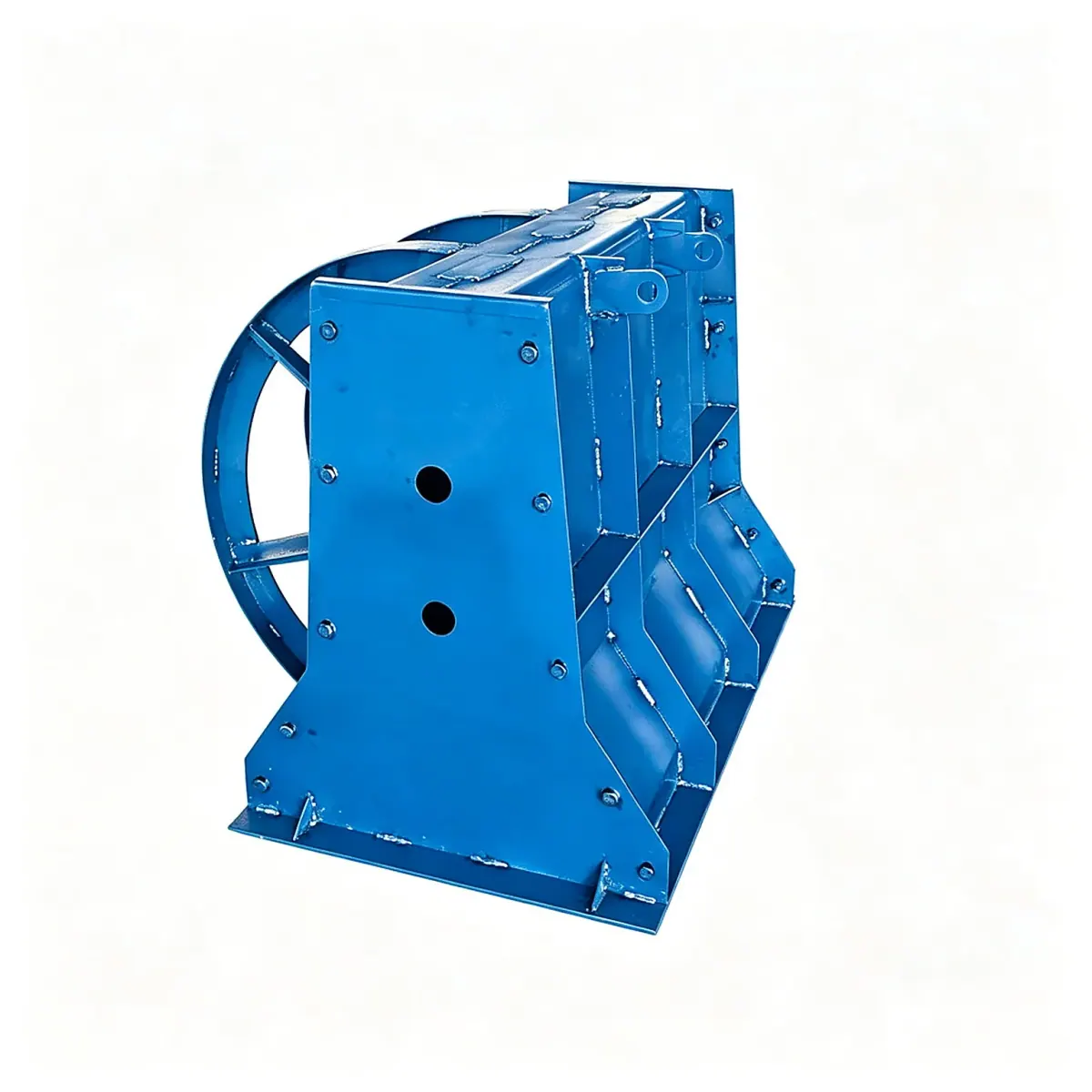
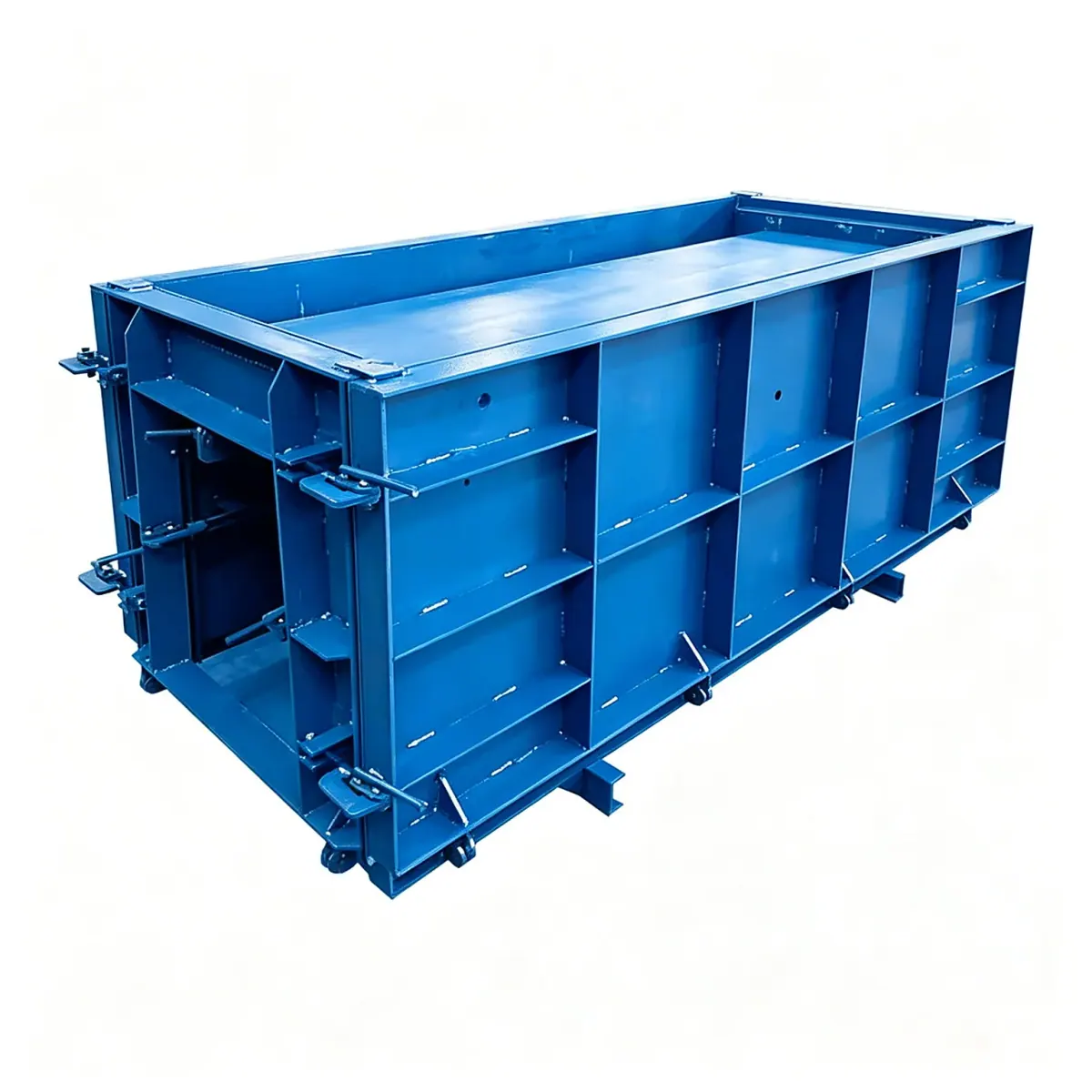
U-shaped and rectangular steel moulds for precast concrete irrigation channels, drainage ditches and water conveyance systems.

3D PREVIEW Loading 3D preview…
Drag to rotate
MaterialQ235 carbon steel
Panel thickness3–6 mm (per drawing)
Surface treatmentPainted finish (colour on request)
Tolerance±0.5 mm
ApplicationIrrigation channels, drainage ditches, water conveyance
SizesCustomizable — built to order
PRODUCT DESCRIPTION

About this mould

Water channel moulds are high-volume production tools: simple section, long schedules, and cycle time that decides the yard economics. The inner core has to release cleanly before the concrete gains full strength.

Zhongbian builds U-shaped and rectangular channel moulds from Q235 plate, 3–6 mm thick, with tapered inner cores and rigid outer shells that hold wall thickness and section geometry.

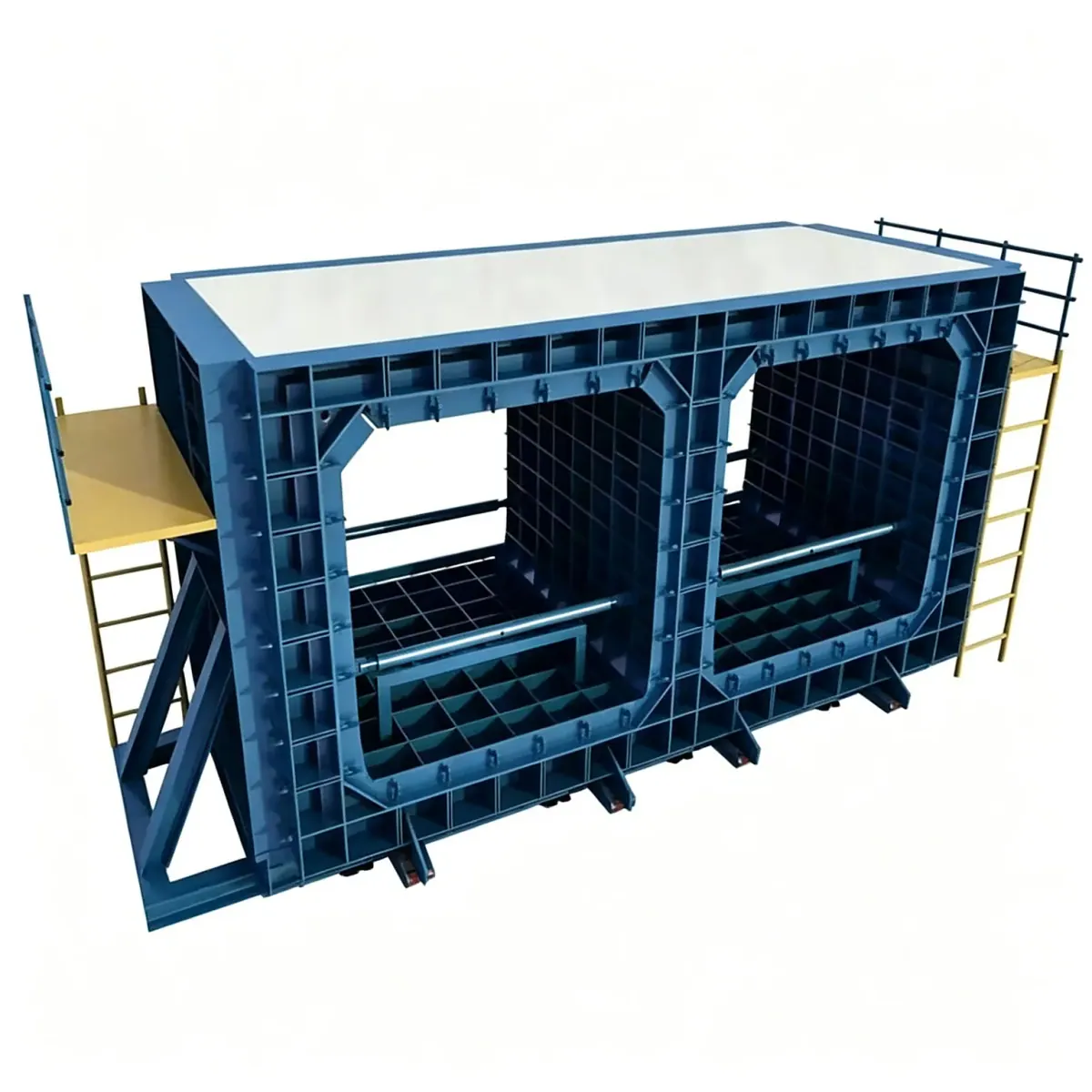
Multi-cell and varying section heights are handled with adjustable cores; standard sections ship in 7–10 working days, custom profiles per drawing.
KEY FEATURES

What you get in the set

  • U-shaped and rectangular channel sections
  • Tapered quick-release inner cores
  • Rigid outer shell holds wall thickness
  • Q235 steel plate, 3–6 mm, welded ribs
  • Adjustable cores for section variants
  • Custom lengths and cell counts per drawing
ADVANTAGES

Why buyers choose this mould

Tapered cores that strip early

The inner core is tapered so it releases a few hours after casting. A small number of moulds therefore keeps a casting line moving, which matters most when the yard is producing thousands of identical metres.

One outer shell, several sections

The outer frame accepts different cores, so U shaped and rectangular profiles can come from the same shell. Where a project mixes sections, only the cores need to be added.

Joints built to your laying drawing

Butt, tongue and groove or gasketed joints are formed in the end plates, so sections line up and the finished run is straight without cutting on site.

Inner faces ready for a fair finish

Cores are finished smooth and painted, so cast channel walls need minimal patching. This is important where the channel will be visible or carries water immediately after installation.

TYPICAL APPLICATIONS

Where it works

Precast channels are used for farmland irrigation networks, municipal storm drainage, flood-control lines and industrial water conveyance, where long runs of identical sections are installed quickly.

Irrigation and drainage networks. Farm channels, municipal drainage, ditches and small culverts are produced in long runs from a small mould fleet. Consistent internal dimensions keep the design water flow across the whole line.

Industrial water conveyance. Process water channels, cable trenches and plant drainage use the same approach, where sections must be straight, matched and available on a fixed programme.

Irrigation Drainage ditches Water conveyance
COMMON QUESTIONS

Before you inquire

Single-cell or multi-cell?
Both — core count and wall thickness follow your section drawing, and one outer shell can accept different cores.
When can the core be stripped?
Tapered cores release as soon as the concrete is stable, typically within a few hours of casting, which keeps the yard moving.
Can sections be jointed on site?
Yes — butt, tongue-and-groove and gasketed joints are built per your laying drawing.
How many moulds do we need for a daily output target?
It depends on core release time, curing and yard space. With tapered cores, a typical single shift line uses roughly 6 to 10 moulds per section type. Send the daily metre target and the set is sized to suit.
Can the channel mould also produce cover slabs?
Yes. Cover and lid moulds can be quoted together with the channel moulds and are sized to the same section, so covers drop in without modification on site.
How are long channel sections handled during placement?
Sections are cast at a transportable length, then placed and jointed on the laying line. Tell us the lifting equipment and lifting point positions you use and the mould is detailed for those positions.

Back to Products