Home Products About Us Factory Quality Projects News Contact Get a Quote
PRODUCT

Lego-Style Interlocking Block Formwork

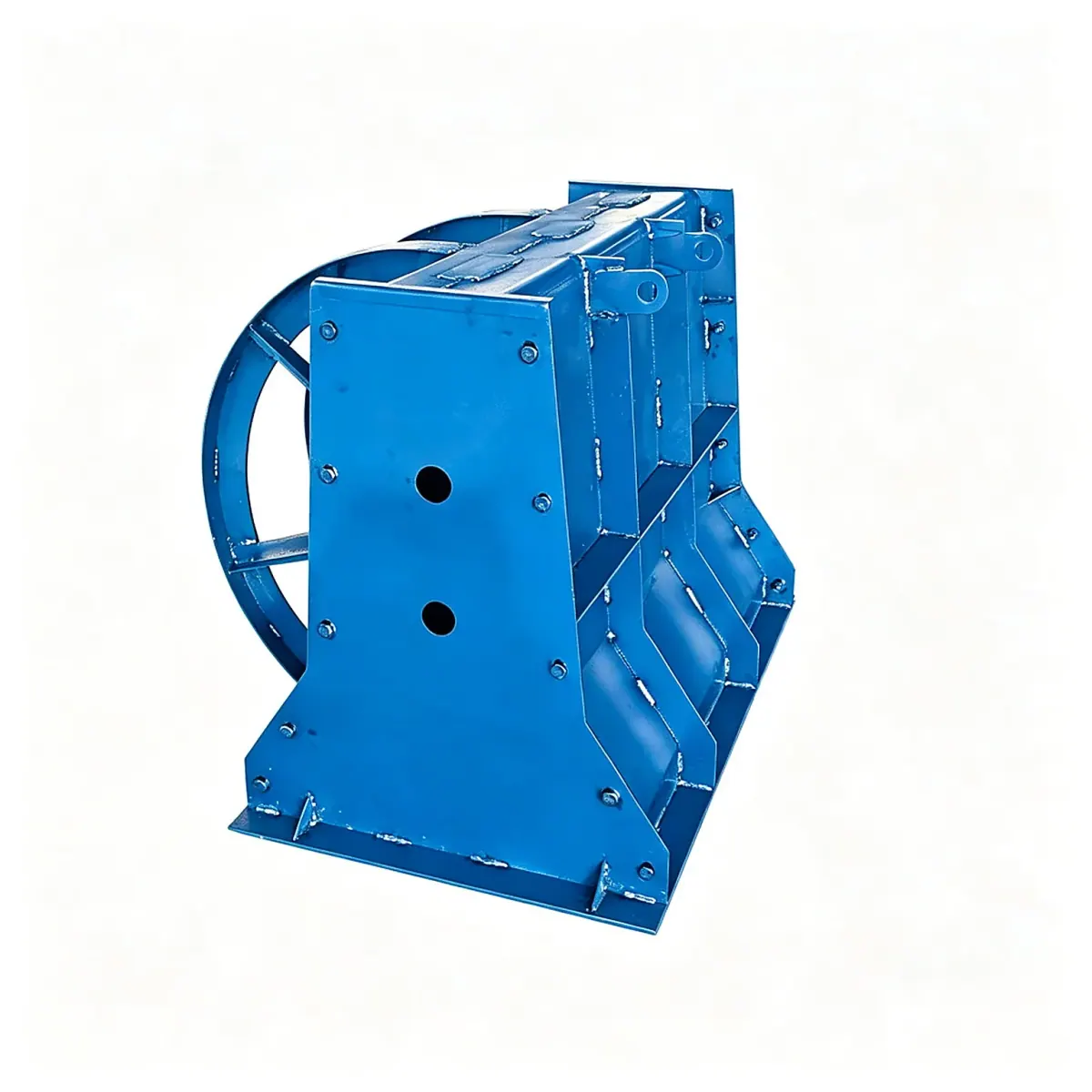
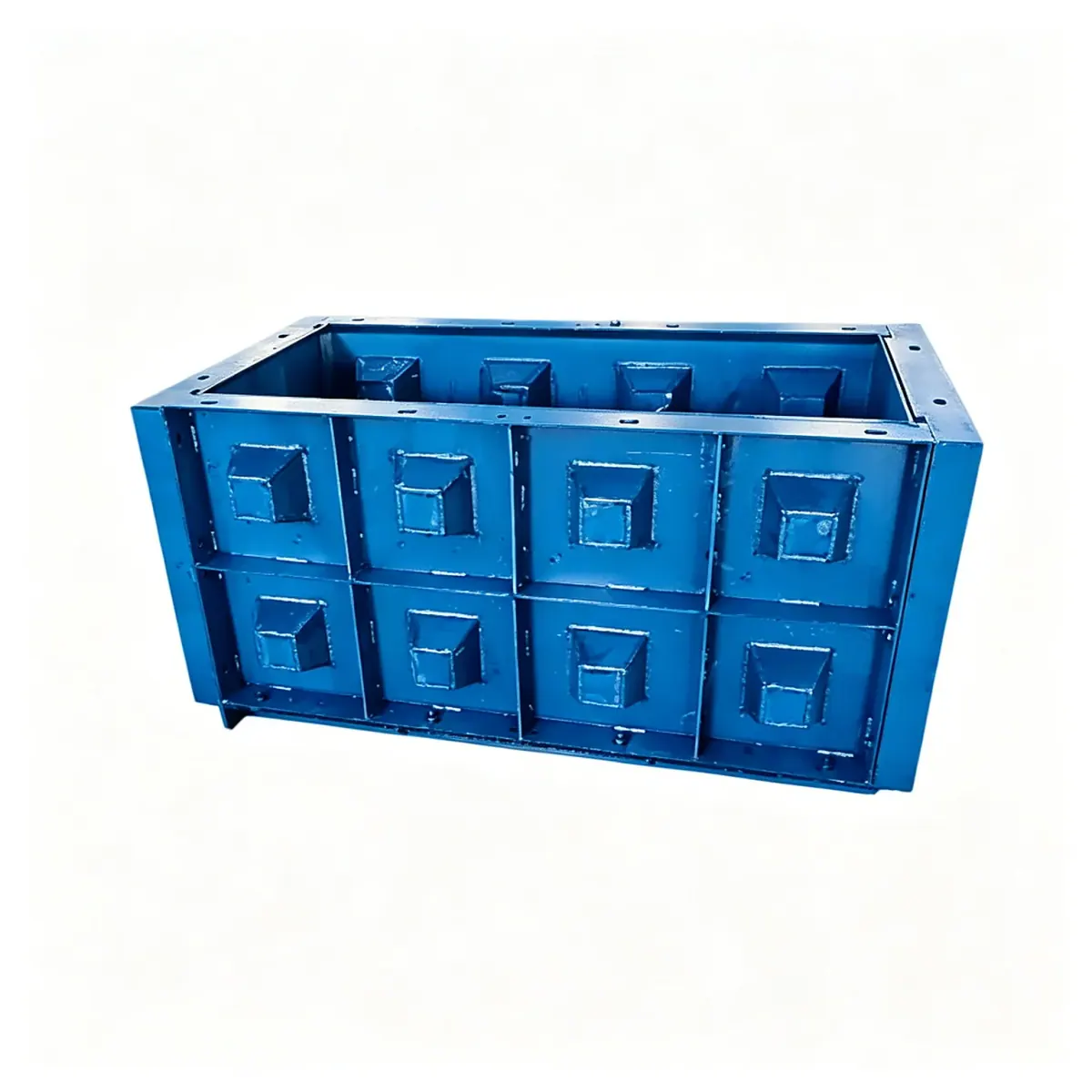
Heavy-duty steel mould for producing interlocking concrete retaining wall blocks with a pyramidal stud connection system.

3D PREVIEW Loading 3D preview…
Drag to rotate
MaterialQ235 carbon steel
Panel thickness3–6 mm (per drawing)
Surface treatmentPainted finish (colour on request)
Tolerance±0.5 mm
ApplicationRetaining walls, river revetment, municipal landscaping
SizesCustomizable — built to order
PRODUCT DESCRIPTION

About this mould

Interlocking blocks cast with a pyramidal stud-and-recess pattern stack like building bricks: no mortar, fast installation and a self-locking wall face. The mould decides whether thousands of blocks come out interchangeable.

Zhongbian builds this mould from Q235 carbon steel plate, 3–6 mm panels with fully welded back ribs and a bolted flange perimeter. Stud inserts are replaceable, so one frame can serve several block sizes in the same family.

Standard moulds ship in 7–10 working days; custom block geometry is quoted within days of receiving a drawing. Painted finish protects the plate through storage, shipping and site handling.
KEY FEATURES

What you get in the set

  • Pyramidal stud geometry cast to your drawing
  • Replaceable stud inserts for block variants
  • Q235 steel plate, 3–6 mm panels
  • Fully welded back ribs and bolted flanges
  • Painted finish for site durability
  • Demould-friendly draft and edge treatment
ADVANTAGES

Why buyers choose this mould

One frame, several block variants

Stud inserts and end plates are interchangeable inside the frame, so a single mould can produce straight, corner and half blocks. Switching pattern takes minutes in the yard rather than a new tooling order.

Blocks that lock without hand fitting

Panels are formed on a jig and checked against the block drawing, so blocks from different casts keep the same stud pitch and stack together without grinding or mortar on site.

Back ribs welded along the full length

Channel or flat steel ribs are welded continuously, not tacked at intervals. The casting face stays flat under repeated vibration and stripping, which is where cheap moulds start to bow.

Built for yard throughput

The mould splits on a simple sequence with a release angle on the studs, so one operator can strip, clean and re-oil a frame between casts and keep the casting table busy.

TYPICAL APPLICATIONS

Where it works

Interlocking block moulds serve gravity retaining walls, river and canal revetment, terraced landscaping and municipal edge walls. Because the blocks lock without mortar, walls go up quickly and can be dismantled and reused — useful for phased municipal works.

Retaining walls and revetment. Interlocking block walls are used for slope retention, river revetment, channel lining and embankment protection, where fast stacking and a self-locking face matter more than a decorative finish. Because the mould controls stud pitch, thousands of blocks come out interchangeable and the wall can be built by hand.

Municipal and landscape work. The same frame serves planter walls, compound boundaries, storage bays and yard dividers. Where a project mixes several block types, one mould with spare inserts is normally cheaper than buying separate tooling for each pattern.

Retaining walls River revetment Municipal landscaping
COMMON QUESTIONS

Before you inquire

What block sizes can the mould produce?
Any size within the mould frame — length, height and stud pattern follow your drawing. Stud inserts are interchangeable, so one frame can serve several block variants.
What steel and panel thickness do you use?
Q235 carbon steel with 3–6 mm panels, depending on block size and casting cycle; back ribs are channel or flat steel, fully welded.
What is the lead time?
Standard moulds ship in 7–10 working days; custom geometry takes 15–25 days including trial assembly.
How many reuses can I expect from an interlocking block mould?
Standard frames run 60 to 100 casting cycles with normal cleaning and release agent. Heavier ribbed frames for large blocks run longer. Actual life depends mainly on stripping care, vibration time and how the blocks are lifted off the table.
Can one mould produce more than one block pattern?
Yes. Stud inserts and end plates are interchangeable within the same frame, so one mould can cover straight, corner and half blocks. This is common on wall projects where a few special blocks are needed among thousands of standard ones.
How are the moulds packed for sea freight?
Frames are broken down into container size sections, wrapped in waterproof film and fixed inside wooden crates. FOB Tianjin is standard and CIF can be quoted. Mill certificate, packing list and commercial invoice travel with the shipment.

Back to Products