Home Products About Us Factory Quality Projects News Contact Get a Quote
PRODUCT

Cylindrical Steel Formwork

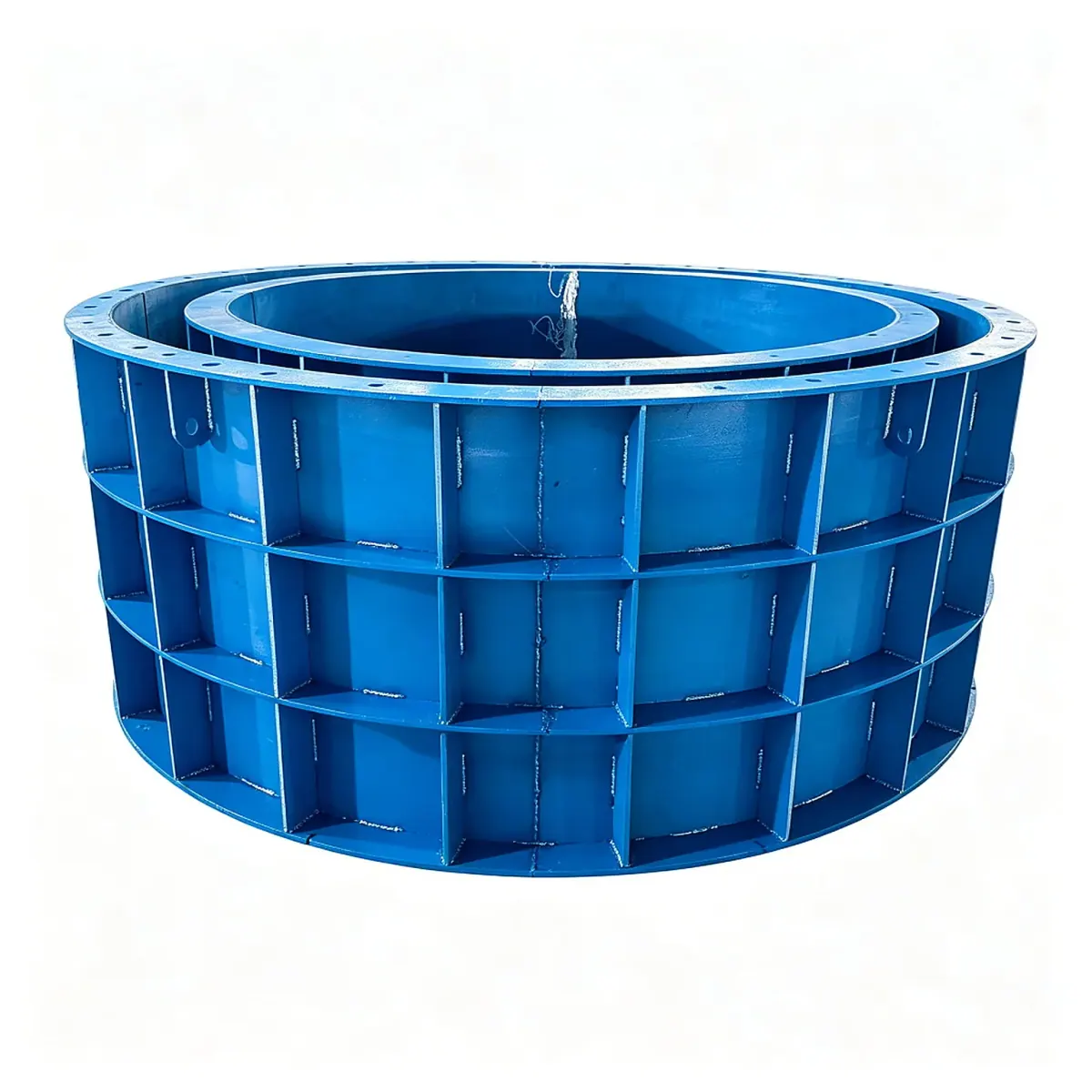
Circular steel formwork system for casting concrete columns, piers and pillars with adjustable diameter segments.

3D PREVIEW Loading 3D preview…
Drag to rotate
MaterialQ235 carbon steel
Panel thickness3–6 mm (per drawing)
Surface treatmentPainted finish (colour on request)
Tolerance±0.5 mm
ApplicationBridge piers, building columns, pillars
SizesCustomizable — built to order
PRODUCT DESCRIPTION

About this mould

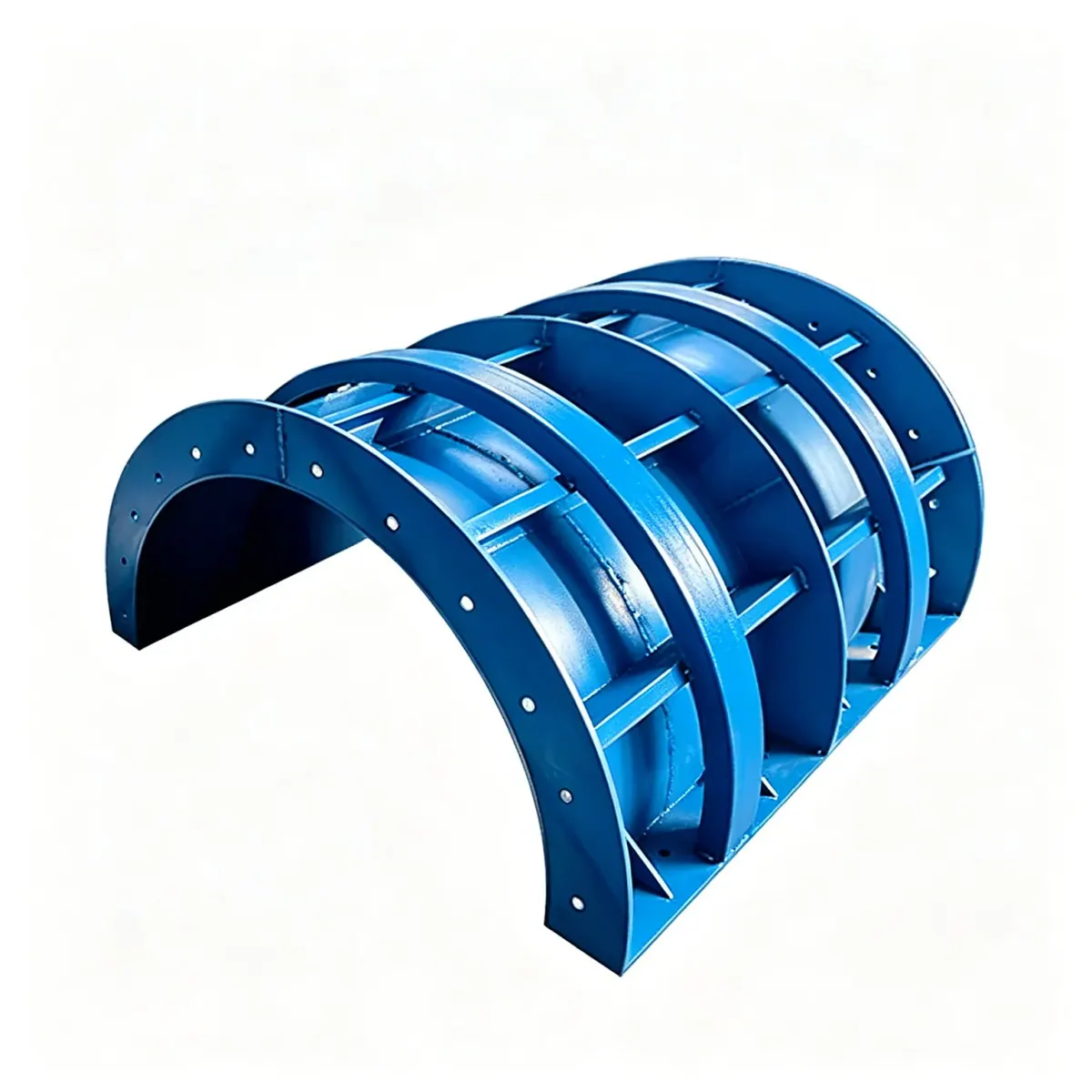
Cylindrical formwork is the fastest way to cast round columns and piers: two half shells close on a bolted flange, a rigid ring holds the section round, and the whole unit strips in minutes after the pour.

Zhongbian rolls Q235 steel plate into 3–6 mm shells with fully welded back ribs and machined flange faces, so the diameter stays true through repeated cycles and the surface finish stays clean.

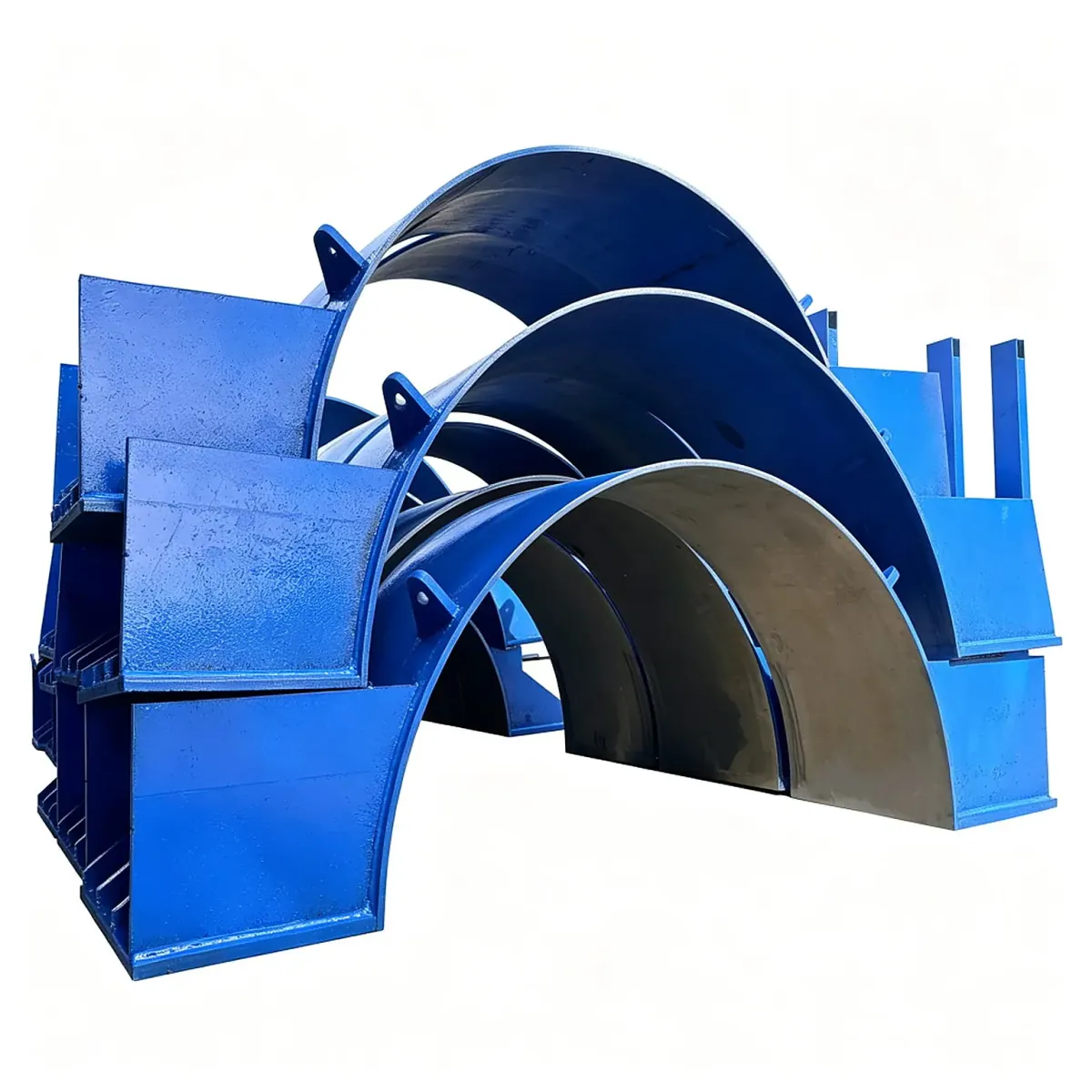
Shells stack for tall piers, and diameter segments can be combined to build different column sizes from one set. Standard diameters ship in 7–10 working days; custom sections run 15–25 days.
KEY FEATURES

What you get in the set

  • Two half shells with bolted vertical flanges
  • Rolled Q235 shells, 3–6 mm plate
  • Rigid stiffening rings keep the section round
  • Stackable segments for tall piers
  • Machined flange faces for tight joints
  • Custom diameter and height per drawing
ADVANTAGES

Why buyers choose this mould

Segments that build any height

Standard shells stack in 1.0 to 3.0 m segments, so one set covers a range of pour heights and can be carried over to the next project instead of being scrapped with the column.

Ribs at real fabrication pitch

Vertical channel ribs sit at 300 to 500 mm and circumferential ribs at 400 to 700 mm, the spacing used in published column formwork design so the shell stays round under pour pressure.

Bolted flange closure you can repeat

Flanges are 120 by 12 mm flat bar with bolts at about 200 mm pitch, tightened to 100 mm on tall pours. The joint closes the same way on the hundredth cast as on the first.

Roundness checked before dispatch

Shell roundness and flange flatness are measured at trial assembly. The finished column is true from the first lift, which matters where the concrete face is left exposed.

TYPICAL APPLICATIONS

Where it works

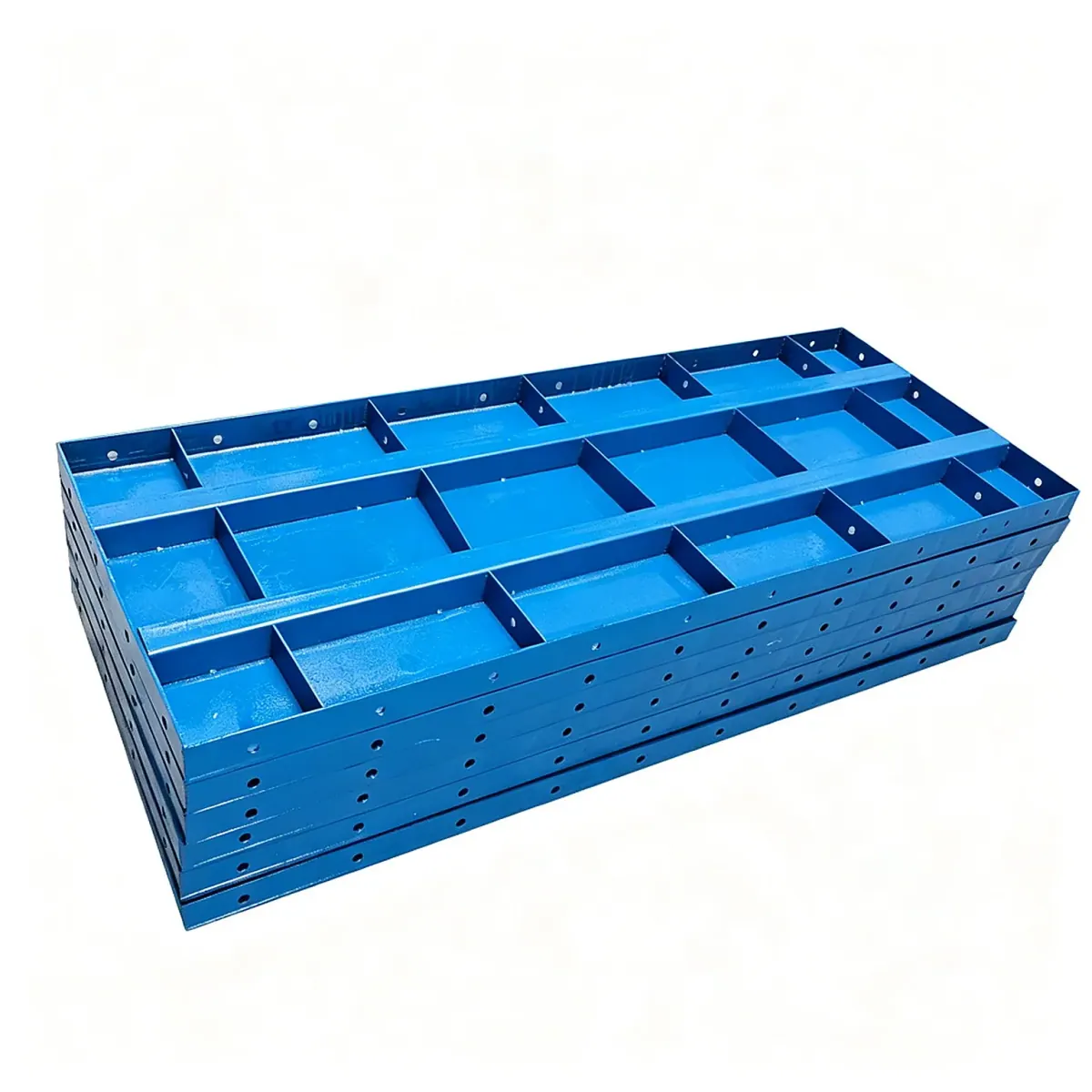
Round column and pier formwork is used on highway and railway bridges, building cores, industrial plants, water treatment and any structure where a circular concrete section is specified.

Bridge piers and building columns. Circular formwork is chosen where a fair faced finish is specified and the mould has to serve many lifts on the same pier line. Segments can be recombined as the pier steps down in diameter.

Water and industrial structures. Circular tanks, silos, digesters, pump chambers and pipe supports often need tight diameters that panel systems struggle with. Bolted shells handle small radii and can be lifted in halves around reinforcement.

Bridge piers Building columns Pillars
COMMON QUESTIONS

Before you inquire

What diameters can you supply?
Any diameter per drawing, typically 300–2500 mm; larger sections are built as multi-piece shells with additional stiffening rings.
Can I use one set for different diameters?
Yes — diameter segments can be combined within a family, and height is extended by stacking shells.
How is the surface finish controlled?
Panels are rolled and weld-seams ground; shell roundness and flange flatness are checked before dispatch.
Should I choose 1.0 m or 3.0 m segments?
Short segments suit crane limited sites and columns with frequent tie or construction joint positions. Long segments reduce the number of horizontal joints and speed up each lift. Most orders are quoted as a mixed set so both options are available.
Is the shell surface treated before delivery?
Panels are rolled, weld seams are ground and the face is painted. A standard release agent is all that is needed before each cast. For coastal or high humidity sites a galvanised or stainless option can be quoted.
Can you match a diameter we already use?
Yes. Send the drawing or measure your existing shells and the new segments are built to match, including flange positions and bolt holes, so new and old pieces still bolt together on site.

Back to Products